
Loading page

Stories for the road
Get destination notes, practical travel tips, and new stories from Oromia.
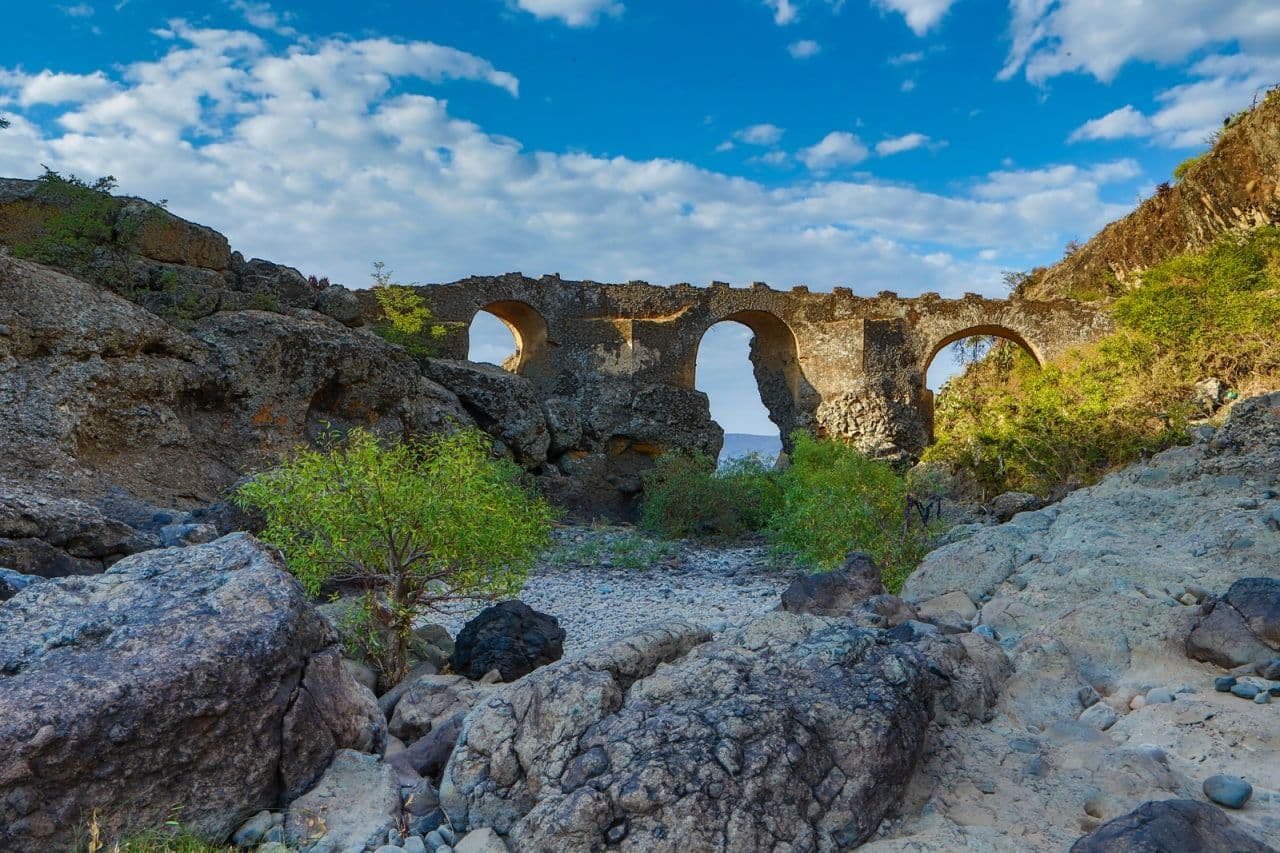
A 16th-century stone arch above a gorge waterfall, on the escarpment near Debre Libanos.
Overview
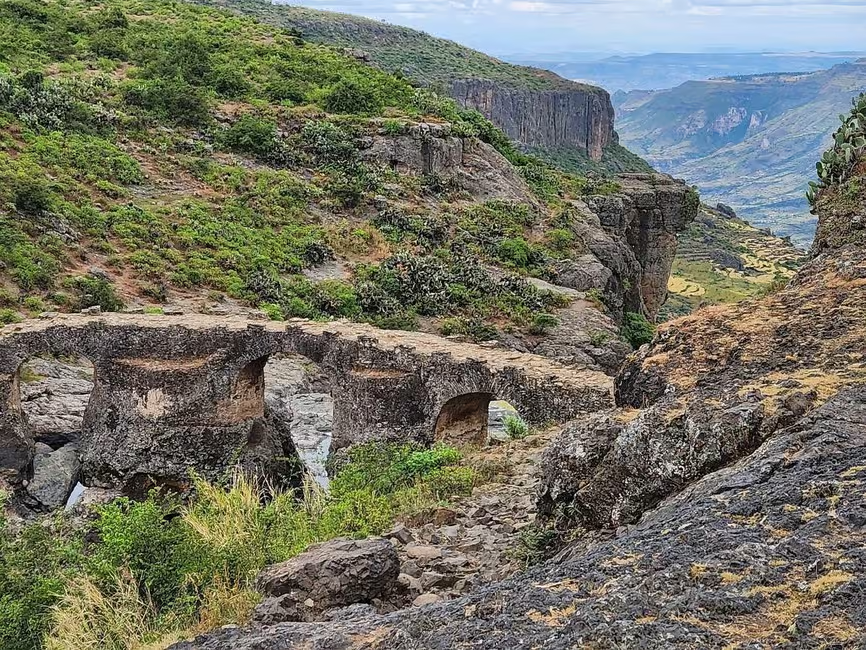
Built in the 16th century by the Portuguese, the bridge is a historical monument of real significance. As legend has it, its construction used stone, sand and egg yolk as a binding agent.
The thick forest and the wonderful views over the Zega-Wodam and Jama river gorges, where a waterfall beneath the bridge tumbles over deep cliffs, all add to the scenic beauty of the area.
Perched at an elevation of roughly 2,500 meters along the North Shewa escarpment, the stone-arch structure spans a strategic chasm that historically connected highland farming communities across the gorge. While popular folklore attributes the masonry to 16th-century Portuguese soldiers, local historical accounts indicate the bridge was built in the late 19th century under the direction of Ras Darge Sahle Selassie—uncle to Emperor Menelik II—utilizing traditional lime, stone, and regional mortar binding techniques.
Beyond its historical architecture, the cliff-edge meadows surrounding the bridge serve as an essential grazing sanctuary for large habituated troops of endemic Gelada baboons. Visitors along the gorge trail can observe these grass-eating primates foraging closely along the escarpment alongside rare highland raptors—such as the Lammergeier (bearded vulture), Verreaux’s eagle, and Augur buzzard—riding thermal updrafts across the canyon walls.
Gallery
What's included
Entrance to the historical site is covered, and a local eco-guide and history storyteller walks the bridge and the gorge trail with you, with trail assistance where the path narrows along the cliff.
The route includes the canyon and waterfall overlook above the Zega-Wodam gorge, and time with the resident troops of endemic gelada baboons that graze along the escarpment edge.
Bring comfortable shoes, a refillable bottle, and a camera.
Your visit directly supports conservation and local livelihoods across Oromia.
Travel with purpose. Leave with stories.
Keep exploring
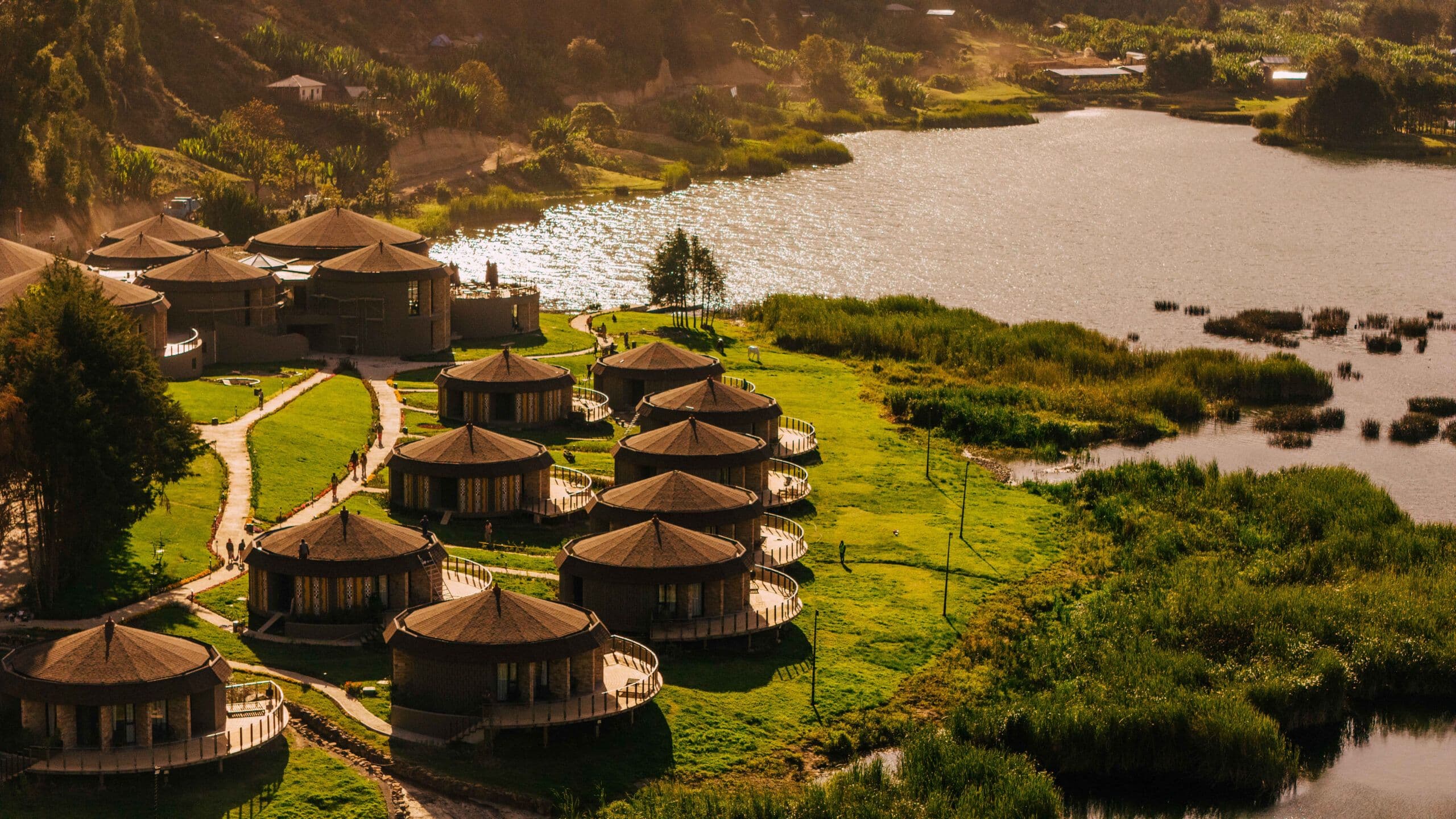 Eco Village
West Shewa, Oromia
Just 155km from Addis Ababa via Ambo or Waliso, a UNWTO-recognised eco village wrapped around a crater lake of cliffs and greenery.
Explore guide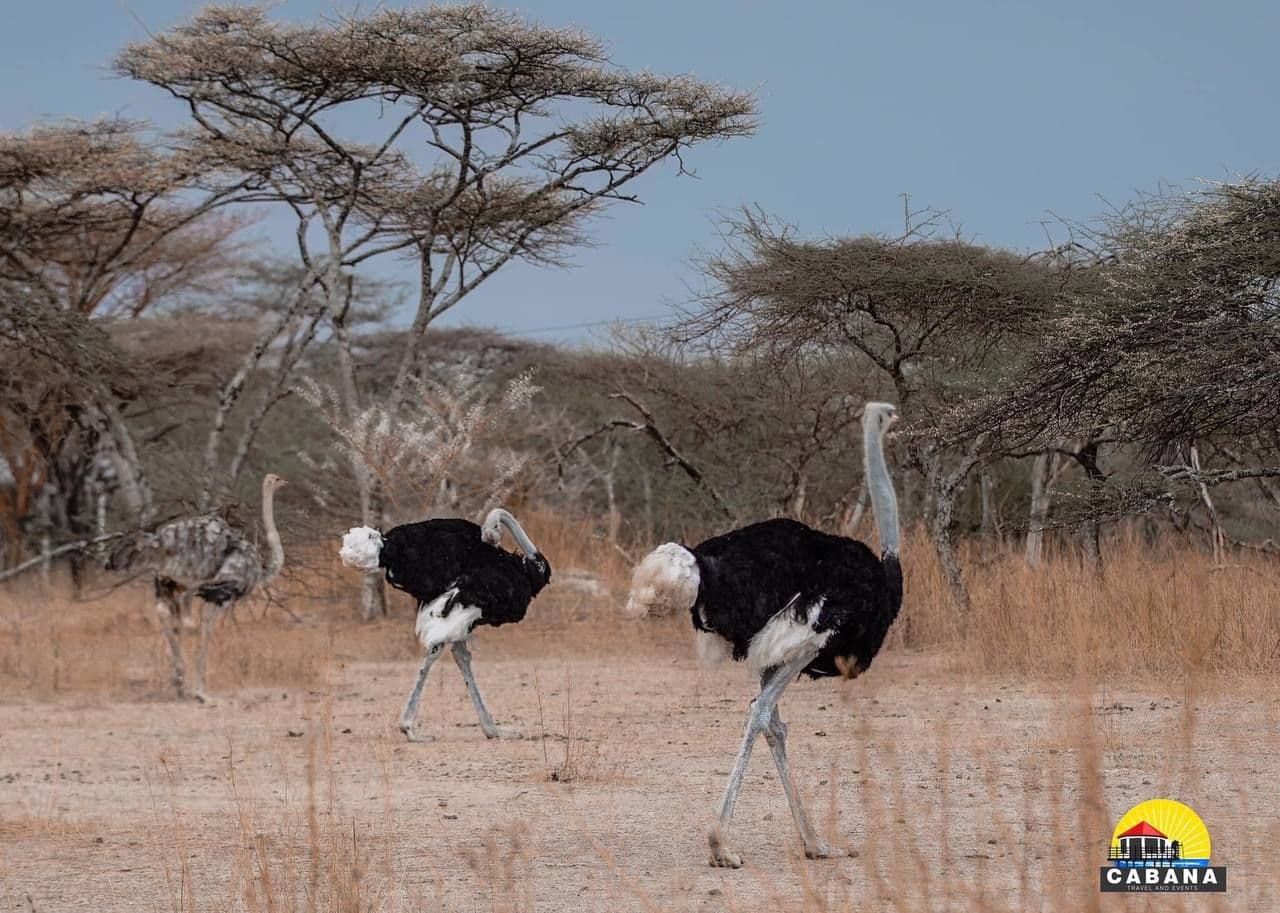 Wildlife
East Shewa, Oromia
A birdwatcher’s paradise of some 360 species, where the twin lakes fill with flamingos from July through September.
Explore guide Adventure
Bale, Oromia
A high-altitude plateau of volcanic plugs, alpine lakes and mountain streams, and the largest Afro-alpine habitat in Africa.
Explore guide